


Wisdom teeth do not always grow properly. When there is not enough space or the tooth develops at an angle, it can become impacted. Understanding the different types of wisdom teeth impaction helps explain symptoms, risks, and treatment decisions.
Table of Contents
What Are Impacted Wisdom Teeth?
Impacted wisdom teeth are third molars that do not fully erupt into the mouth.
This can happen when:
- The jaw does not have enough space
- The tooth grows at an angle
- The tooth becomes blocked by bone or neighboring teeth
Impaction can be partial or complete, and the position of the tooth determines how it affects surrounding structures.
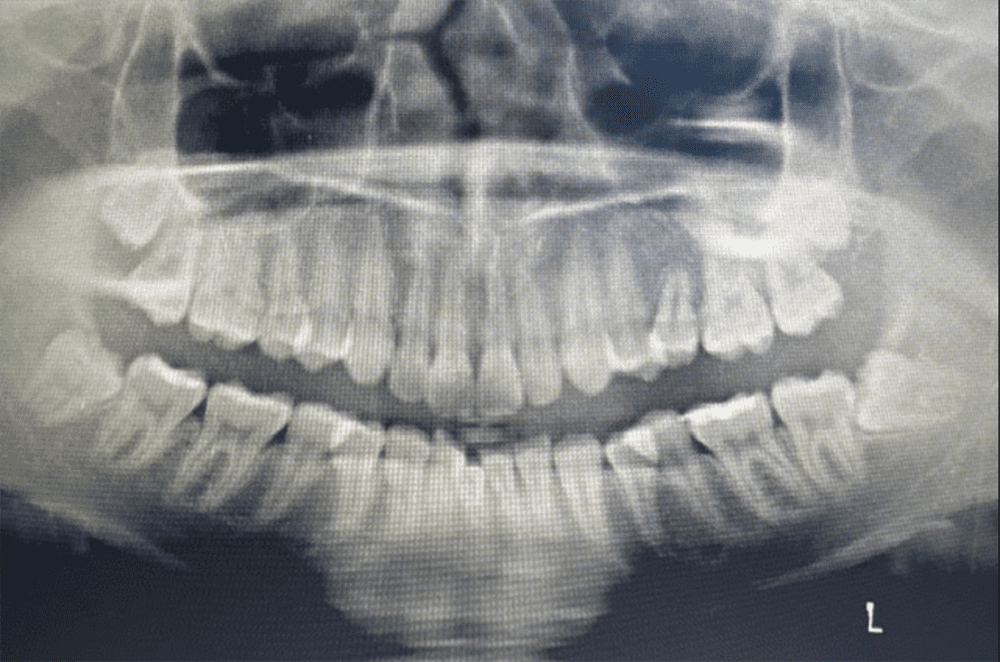
Types of Wisdom Teeth Impaction Based on Angle
The most common way to classify wisdom teeth impaction is by the angle at which the tooth is positioned.
Mesial Impaction (Angled Forward)
This is the most common type. The tooth tilts forward toward the second molar.
- Can push against the adjacent tooth
- May lead to crowding or damage
- Often partially erupted
Distal Impaction (Angled Backward)
The tooth angles away from the second molar, toward the back of the jaw.
- Less common than mesial impaction
- May have fewer symptoms initially
- Can still be difficult to clean and monitor
Vertical Impaction
The tooth is positioned upright but cannot fully erupt.
- Often blocked by lack of space
- May remain trapped under the gum
- Can still cause pressure or discomfort
Horizontal Impaction
The tooth lies on its side, pressing directly into the neighboring tooth.
- One of the more complex types
- Higher risk of damage to adjacent teeth
- More likely to require surgical removal
Types of Wisdom Teeth Impaction Based on Depth
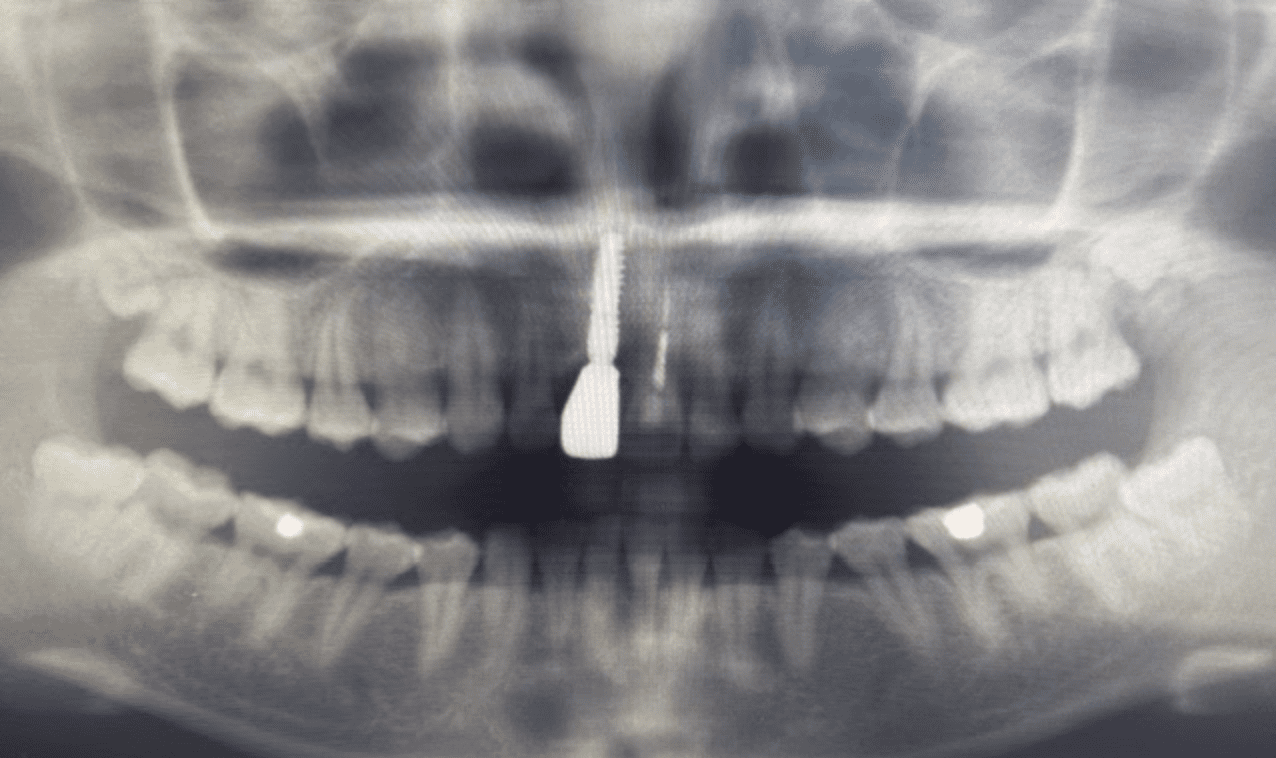
In addition to angle, impaction is also classified by how deeply the tooth is positioned.
Soft Tissue Impaction
The tooth has partially erupted but remains covered by gum tissue.
- Food and bacteria can become trapped
- Increased risk of infection or inflammation
- Often associated with tenderness around the gum
Partial Bony Impaction
Part of the tooth is covered by the jawbone, and part is visible.
- Can create pressure on nearby teeth
- More difficult to clean
- May lead to swelling or discomfort
Full Bony Impaction
The tooth is completely encased in bone and has not erupted.
- Often not visible in the mouth
- May remain symptom-free for a period
- Can still lead to cysts, infection, or damage over time
Why the Type of Impaction Matters
The type of impaction affects both symptoms and treatment planning.
Certain positions are more likely to cause:
- Pain or pressure
- Infection around the gums
- Damage to adjacent teeth
- Difficulty cleaning the area
- Changes in bite alignment
For example, horizontal and mesial impactions are more likely to affect nearby teeth, while soft tissue impactions are more prone to infection.
When Removal of Impacted Wisdom Teeth Is Recommended
Not all impacted wisdom teeth require immediate removal, but many do benefit from early evaluation.
Removal may be recommended if you have:
- Ongoing pain or swelling
- Signs of infection around the gum
- Difficulty cleaning the area
- Pressure on neighboring teeth
- Changes in alignment or bite
Even without symptoms, monitoring impacted wisdom teeth is important to prevent future complications.
Wisdom Teeth Assessment at Concord Oral Surgery
Proper evaluation of impacted wisdom teeth begins with a thorough clinical exam and detailed imaging. Dr. Barron assesses the angle, depth, and position of each tooth to identify potential risks and determine whether surgical removal is necessary.
Impacted teeth often require wisdom teeth removal by an oral surgeon, especially when they are trapped beneath the gums or positioned in a way that can affect nearby teeth and bone.
Care at Concord Oral Surgery is tailored to your specific findings, whether that involves monitoring, planning for removal, or addressing current symptoms. Patients are guided through each step with clear recommendations and ongoing support to help protect long-term oral health.
Wisdom Teeth Removal in Vaughan, ON
If you have concerns about impacted wisdom teeth or are experiencing discomfort, contact us for an evaluation.
To schedule an appointment at our oral surgery office in Vaughan, call (905) 669-2616 or visit us at 3300 Hwy 7 W #805, Vaughan, ON L4K 4M3.
FAQs
What is the most common type of wisdom tooth impaction?
Mesial impaction, where the tooth angles forward toward the second molar, is the most common type.
Do all impacted wisdom teeth need to be removed?
Some impacted wisdom teeth can be monitored if they are not causing symptoms or affecting surrounding structures.
How do I know if my wisdom teeth are impacted?
Symptoms may include pain, swelling, or difficulty opening your mouth. In many cases, impaction is only confirmed through dental imaging.
What problems can impacted wisdom teeth cause?
Impacted wisdom teeth can lead to infection, gum inflammation, damage to nearby teeth, and alignment issues if left untreated.
