
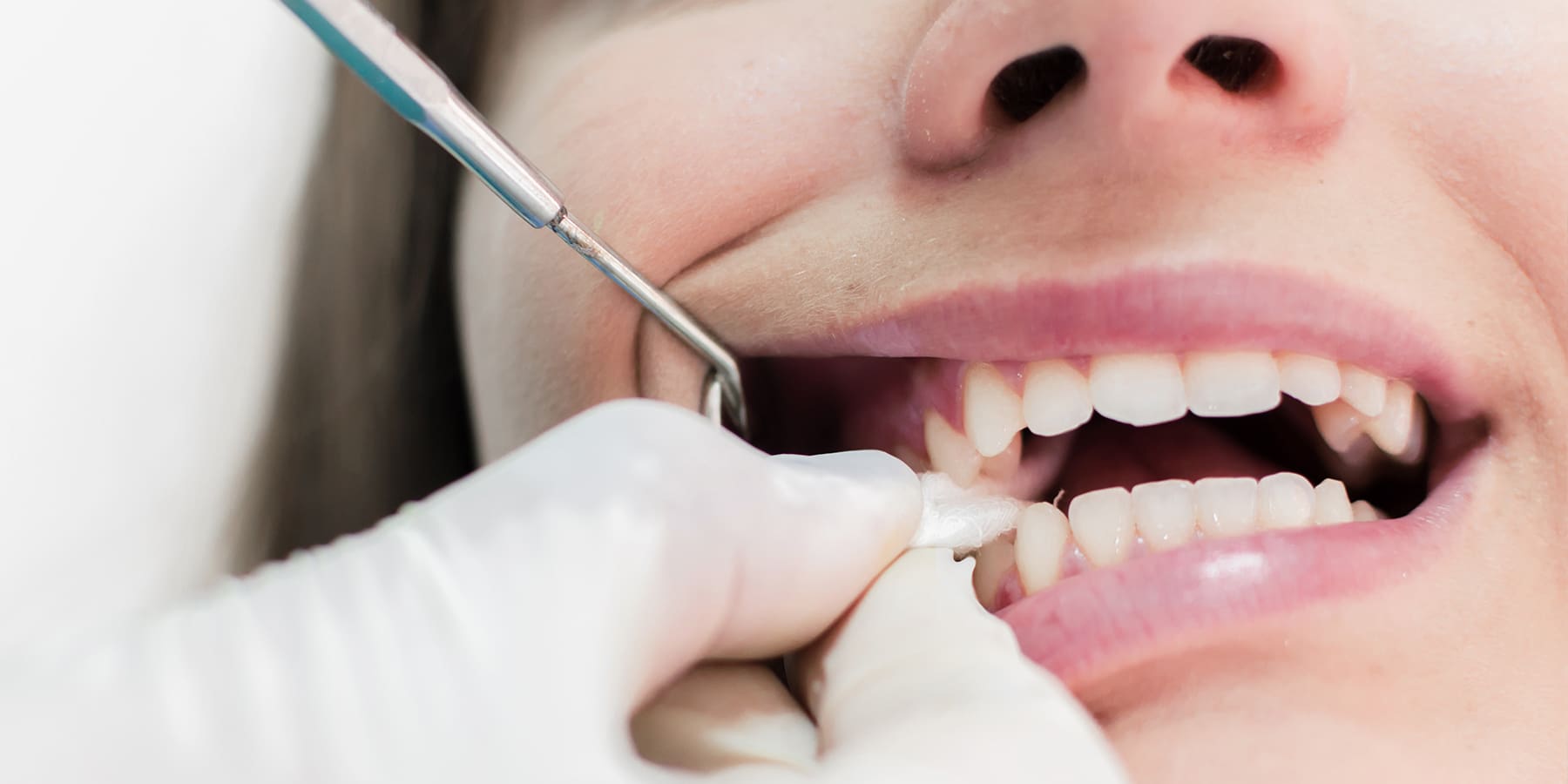

Gauze plays an important role immediately after a tooth extraction by helping control bleeding and support clot formation. Knowing how long to keep gauze in place and when to stop using it helps protect the healing site and reduce complications.
Table of Contents
How Long Should You Bite Down on Gauze After a Tooth Extraction?
In most cases, you should keep gauze in place for 30 to 60 minutes after the extraction. During this time, firm but gentle pressure helps a blood clot form in the socket. This clot is essential for proper healing.
After the first hour:
- Check the gauze for bleeding
- Replace it if it is still soaked
- Continue applying pressure if needed
Most patients no longer need gauze after 2 to 3 hours, once bleeding has slowed to a light ooze or stopped.
When To Stop Using Gauze
You can stop using gauze once active bleeding has stopped and only minimal oozing remains.
Signs you can stop include:
- Gauze comes out with only light pink staining
- Bleeding does not increase when gauze is removed
- You no longer feel the need to bite down for pressure
A small amount of oozing is normal for several hours and may mix with saliva, making it appear like more blood than it actually is.
How To Change Gauze After Tooth Extraction
Changing gauze correctly helps maintain pressure without disturbing the clot.
Follow these steps:
- Wash your hands before handling new gauze
- Fold a clean piece of wet gauze into a small pad
- Place it directly over the extraction site
- Bite down firmly to apply steady pressure
- Keep it in place for 30 to 45 minutes before checking
Avoid frequently checking the site, as removing gauze too often can disrupt clot formation and result in continued bleeding.
What if Bleeding Continues?
Some bleeding is expected, especially within the first few hours.
If bleeding continues:
- Replace gauze and maintain firm pressure
- Stay seated and avoid physical activity
- Keep your head elevated
- Avoid spitting or rinsing
If bleeding remains heavy after several hours or does not improve with pressure, contact your oral surgeon.
What To Avoid While Using Gauze
Certain actions can interfere with clot formation and prolong bleeding.
Avoid:
- Talking excessively while gauze is in place
- Chewing on the gauze instead of applying steady pressure
- Removing gauze too frequently
- Smoking or vaping
- Using a straw
- Rinsing your mouth during the first 24 hours following oral surgery.
These can dislodge the clot and increase the risk of complications.
Why Gauze Is Important for Healing
Gauze helps form and protect the blood clot that covers the extraction site.
This clot:
- Stops bleeding
- Protects underlying bone and tissue
- Supports the early stages of healing
If the clot is disrupted, it can lead to delayed healing or conditions such as dry socket.
Post-Extraction Care at Concord Oral Surgery
After a tooth extraction, proper aftercare is essential for a smooth recovery. Dr. Barron provides detailed instructions to help manage bleeding and protect the surgical site during the early stages of healing.
At Concord Oral Surgery, patients receive clear guidance on how to use gauze, manage symptoms, and recognize when follow-up care may be needed. Ongoing support helps ensure healing progresses as expected.
Supporting Proper Healing After Tooth Extraction
If you had a tooth extracted performed at our office and bleeding feels excessive or does not improve, contact us for more guidance.
To schedule an appointment at our oral surgery office in Vaughan, call (905) 669-2616 or visit us at 3300 Hwy 7 W #805, Vaughan, ON L4K 4M3.
FAQs
When should I stop using gauze after tooth extraction?
You can stop once bleeding has slowed to light oozing and the gauze shows only minimal staining.
How often should I change gauze after tooth extraction?
Change gauze every 30 to 60 minutes if it becomes soaked, while maintaining steady pressure.
Is it normal for gauze to have blood on it for several hours?
Light bleeding or oozing for a few hours is normal, especially on the day of the extraction.
Can I sleep with gauze in my mouth?
No, you should not sleep with gauze in your mouth. Gauze should be removed before sleeping to prevent choking or accidentally swallowing it.
